
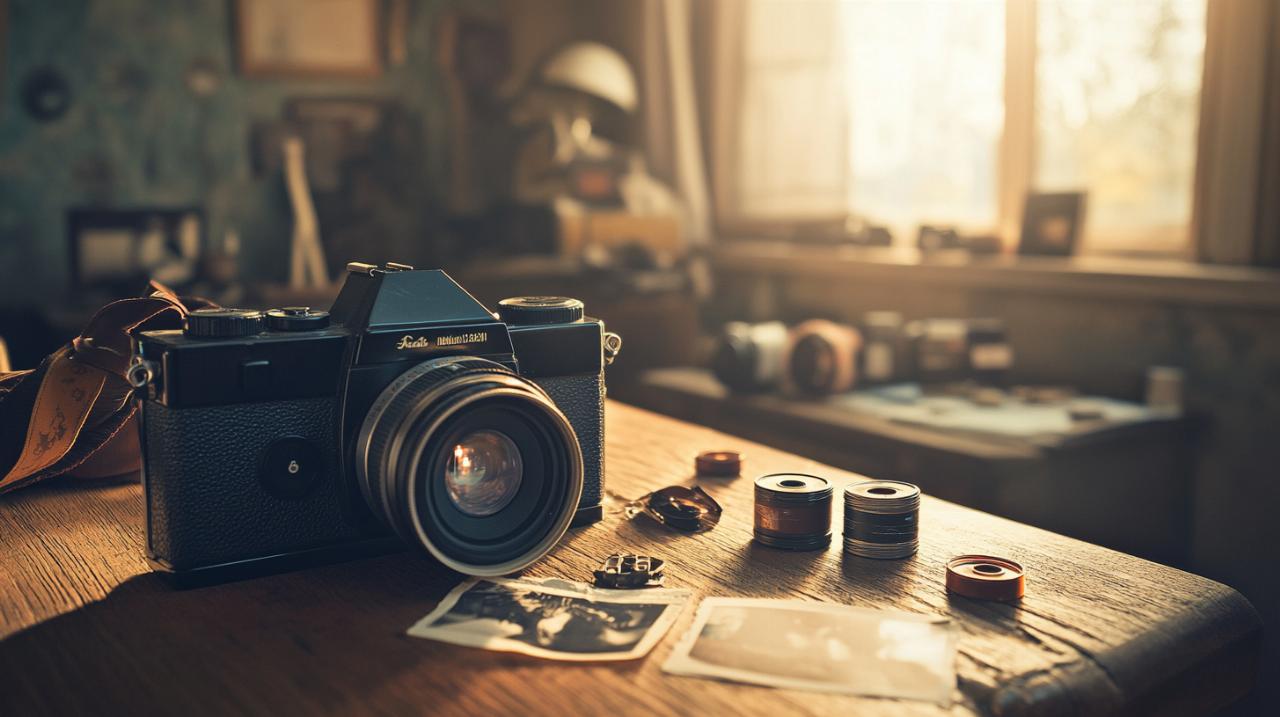
In an era where digital technology dominates nearly every aspect of visual storytelling, there remains a passionate community of photographers who continue to champion the enduring value of analogue photography. The tactile sensation of loading a roll of film, the anticipation of waiting for developed prints, and the distinctive aesthetic that emerges from chemical processes all contribute to a resurgence of interest in traditional imaging. This renaissance is not merely nostalgic sentimentality but a genuine appreciation for qualities that modern sensors and software often fail to reproduce with authenticity.
The Timeless Appeal and Distinctive Character of Film Photography
One of the most compelling reasons photographers return to analogue cameras lies in the unique visual signature that film produces. The advantages of analog cameras become immediately apparent when examining the organic quality of images captured on celluloid. Unlike the clinical precision of digital sensors, film responds to light in ways that create subtle variations in tone and texture, lending photographs a warmth and depth that enthusiasts find difficult to replicate through post-processing alone. This inherent character stems from the physical and chemical nature of film emulsion, which interacts with light in fundamentally different ways compared to the electronic translation that occurs within digital cameras.
Unique aesthetic quality that digital struggles to match
The resolution capabilities of medium and large format analogue cameras continue to impress even the most ardent digital advocates. Whilst contemporary digital cameras boast impressive megapixel counts, the resolving power of medium and large format film remains exceptional, capturing detail with a richness that translates beautifully to large prints. Even standard thirty-five millimetre film holds its own when compared to entry-level digital cameras, particularly in terms of dynamic range. The ability of film to retain detail in both highlight and shadow areas often surpasses what digital sensors can achieve without extensive bracketing or HDR techniques. This wide latitude gives photographers greater flexibility during exposure and creates images with a natural tonal progression that feels more true to human vision.
The Charm of Grain and Organic Colour Rendition
Film grain possesses a quality that digital noise simply cannot match. Whereas digital noise appears as unpleasant artefacts that degrade image quality, film grain forms part of the aesthetic fabric of the photograph itself. This organic texture adds dimension and character, particularly in black and white photography where grain structure becomes an integral element of the visual language. Colour rendition on film also carries a distinctive quality, with various film stocks offering different palettes and saturation characteristics. These subtle variations in how colours are rendered create opportunities for creative expression that extend beyond what preset filters can achieve. The way film captures skin tones, renders foliage, or interprets golden hour light possesses an ineffable quality that continues to attract photographers seeking something beyond the standardised look of digital files.
Mindful Photography: The Rewarding Experience of Shooting with Film
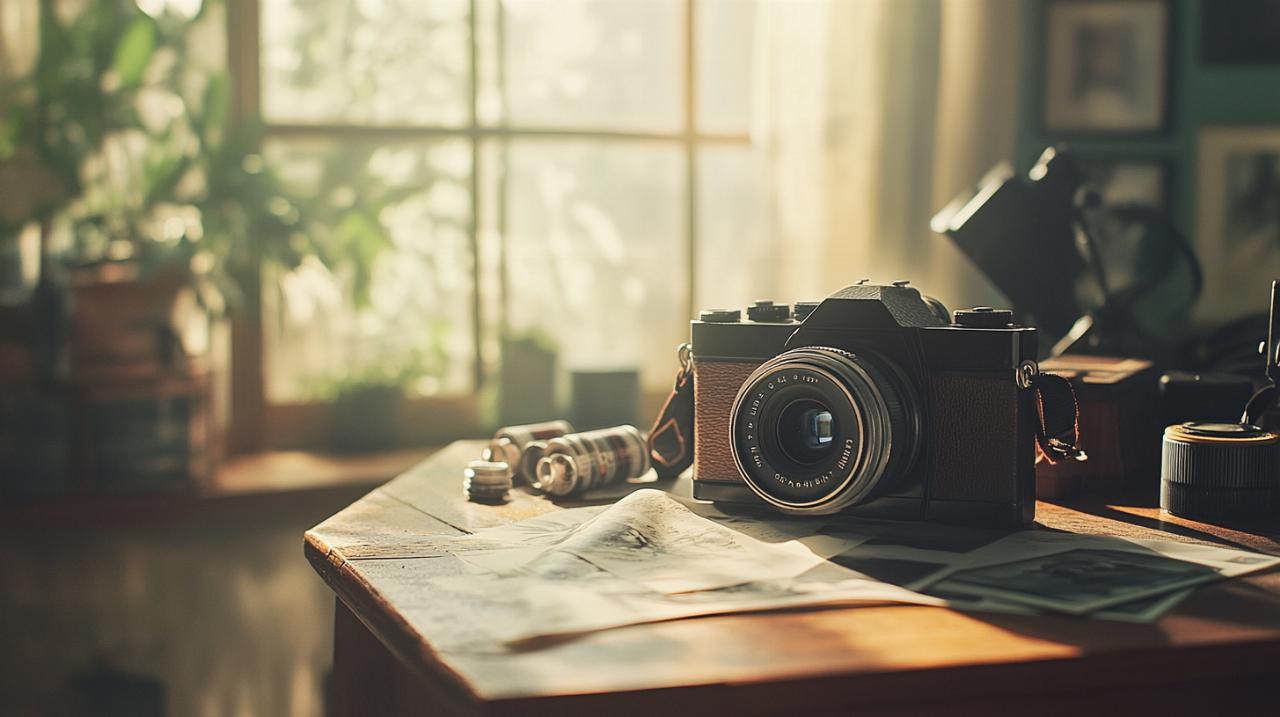
Beyond the aesthetic considerations, working with film cameras fundamentally changes the relationship between photographer and subject. The limitations inherent in analogue photography become strengths that encourage a more contemplative approach to image-making. With a finite number of exposures available on each roll and the financial consideration of film and processing costs, photographers naturally become more deliberate in their shooting habits. This constraint fosters a discipline that often results in stronger composition and more thoughtful consideration of light, exposure, and moment.
A More Deliberate Approach to Composition and Exposure
Operating an analogue camera demands a level of technical engagement that automation has largely eliminated from digital photography. Loading film correctly, setting the appropriate ASA rating, manually selecting shutter speed and aperture for proper exposure, and using a light meter all require active participation in the image-making process. This hands-on involvement creates a deeper understanding of photographic fundamentals and develops skills that transfer to any photographic medium. The tactile experience of advancing film with a manual lever, feeling the satisfying click of a mechanical shutter, and carefully composing through an optical viewfinder connects photographers to the craft in ways that touchscreen interfaces cannot replicate. For many, particularly younger photographers discovering film for the first time, this tangible interaction provides a welcome respite from the ephemeral nature of digital media. Research has shown that this slower, more mindful approach can offer mental health benefits, providing a meditative quality that counters the relentless pace of contemporary digital life. The necessity of waiting for film to be processed and printed introduces an element of delayed gratification that encourages patience and builds anticipation, transforming photography from instant consumption into a more meaningful creative journey.
The Satisfaction of Hands-On Development and Processing
For those willing to explore the complete analogue workflow, developing and printing film offers rewards that extend far beyond the final image. The darkroom becomes a space of transformation where latent images emerge through chemical magic, providing a tangible connection to photographic history and process. Even for those who choose professional development services, the option exists to engage with film processing at home using affordable developing kits that make the craft accessible to newcomers. The choice to scan negatives or create traditional darkroom prints allows photographers to maintain control over the final presentation of their work, with each approach offering distinct advantages. Traditional darkroom printing provides unparalleled tonal control and a physical object of lasting value, whilst scanning bridges the analogue and digital worlds, allowing film photographers to share their work through contemporary channels whilst preserving the essential qualities that make film special. Beyond the creative aspects, analogue cameras often prove more durable and reliable than their digital counterparts. Without complex electronic components vulnerable to obsolescence, mechanical film cameras can function for decades with minimal maintenance. Most analogue cameras require batteries only for light meters, if at all, meaning they remain operational in situations where digital cameras would fail. The absence of a shutter actuation limit, which affects digital cameras after approximately one hundred fifty thousand exposures, means a well-maintained film camera can potentially outlast multiple digital bodies. This longevity, combined with the relative simplicity of mechanical repairs, makes analogue cameras practical tools rather than disposable technology. Entry into film photography can also be remarkably affordable, with quality film SLR cameras available at prices significantly below entry-level digital systems, making the medium accessible to those curious about exploring its unique possibilities.
Comments are closed