
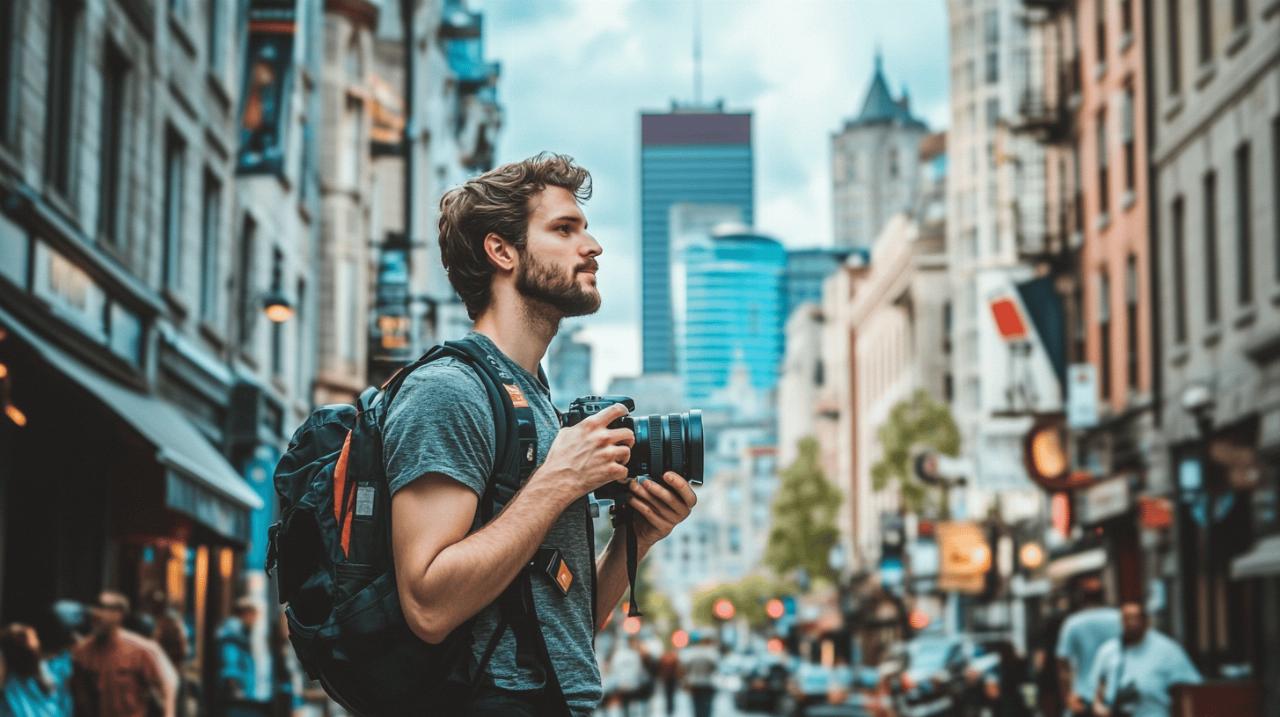
Planning a photographic journey to Montreal requires careful consideration of the equipment you bring along. This vibrant Canadian city offers an extraordinary mix of historic architecture, bustling streets, seasonal festivals, and ever-changing weather patterns that can challenge even the most experienced photographers. From snow-blanketed winter scenes to the lush greenery of summer parks, Montreal's diverse visual landscape demands versatile gear that can adapt to shifting conditions whilst remaining portable enough for comfortable travel. Understanding which camera body, lenses, and accessories will serve you best ensures you capture the city's character without being weighed down by unnecessary kit.
Selecting the Right Camera Body for Montreal's Urban and Natural Landscapes
Choosing the appropriate camera body forms the foundation of your travel photography equipment. Montreal's photographic opportunities range from the narrow cobblestone streets of Old Montreal to expansive views from Mount Royal, requiring a camera that balances image quality with practicality. Mirrorless cameras have become the preferred choice for many travelling photographers due to their compact form factor and advanced autofocus systems, which prove invaluable when capturing spontaneous moments at festivals or navigating crowded markets.
Full-frame versus crop sensor: what suits montreal photography best
The debate between full-frame sensors and APS-C cameras centres on finding the right balance between performance and portability. Full-frame sensors excel in low-light conditions, particularly useful when photographing Montreal's illuminated bridges at dusk or the ambient glow inside Notre-Dame Basilica. The Sony Alpha A7 IV represents a solid choice for those seeking professional camera equipment with outstanding dynamic range and reliable autofocus capabilities. Meanwhile, the Canon EOS R5 Mark II offers exceptional video recording at 4K alongside improved battery life, making it suitable for photographers who blend stills with motion capture.
For those conscious of budget photography gear whilst still demanding quality results, APS-C cameras provide an excellent compromise. The Canon EOS R50 delivers beginner-friendly operation with impressive image quality at a price point below eight hundred pounds including a kit lens. Similarly, the Sony ZV-E10 II combines enhanced autofocus performance with 4K video recording, proving particularly valuable for vlogging cameras enthusiasts documenting their Montreal adventures. These crop-sensor bodies weigh considerably less than their full-frame counterparts, reducing fatigue during extended walking tours through neighbourhoods like Plateau Mont-Royal or Le Quartier des Spectacles.
Weather-sealed cameras: essential protection against montreal's unpredictable climate
Montreal's climate presents particular challenges throughout the year, from humid summer afternoons to biting winter cold that can plummet below minus twenty degrees Celsius. Weather-sealed cameras offer crucial protection against moisture ingress, dust, and temperature fluctuations. The Canon EOS R5 Mark II and Sony Alpha A7 IV both feature robust weatherproof gear construction that withstands light rain and snow, allowing you to continue shooting when conditions deteriorate unexpectedly. This protection proves especially valuable during spring, when sudden showers can arrive without warning, or during winter festivals when snow swirls through the air.
Compact cameras also merit consideration for travellers prioritising portability above all else. The Fujifilm X100VI delivers a distinctive film-like aesthetic with its fixed twenty-three-millimetre lens, perfect for street photography amongst Montreal's diverse neighbourhoods. Whilst lacking interchangeable lenses, its lightweight design and excellent image quality make it ideal for those seeking minimalist travel photographer recommendations. The Sony RX100 VII offers another compelling option, packing professional features into a pocket-sized body that can accompany you everywhere without the bulk of larger systems.
Lens Selection for Capturing Montreal's Architectural and Cultural Diversity
Beyond the camera body itself, your choice of camera lenses fundamentally shapes the images you create. Montreal's photographic subjects range from sweeping panoramas to intimate street scenes, demanding versatile optics that adapt to changing situations. Building a compact lens collection that covers essential focal lengths without overwhelming your photography backpacks ensures you remain agile whilst maintaining creative flexibility.
Wide-Angle Lenses for Stunning Cityscapes and Historic Buildings
Wide-angle lenses prove indispensable when photographing Montreal's architectural heritage. The narrow streets of Old Montreal often prevent you from stepping back far enough to frame entire buildings with standard focal lengths. A ten to eighteen millimetre lens allows you to capture the full grandeur of structures like the Bonsecours Market or the ornate facades along Rue Saint-Paul, emphasising their scale and intricate details. These lenses also excel when shooting from elevated vantage points, enabling you to encompass the entire downtown skyline with Mount Royal's forested slopes as a backdrop.
For those using APS-C cameras, the recommended sixteen to seventy millimetre lens provides excellent versatility, covering everything from moderately wide establishing shots to tighter portraits of street performers at Place Jacques-Cartier. This focal range proves particularly effective during Montreal's numerous festivals, where you might photograph both the overall crowd atmosphere and individual participants within moments of each other. The constant aperture ensures consistent exposure across the zoom range, simplifying your shooting workflow when lighting conditions change rapidly.
Versatile Zoom Lenses for Street Photography and Festivals
Street photography and festival coverage benefit enormously from zoom lenses that allow quick composition adjustments without changing position. A twenty-four to seventy millimetre lens on full-frame cameras, or equivalent on crop sensors, provides the ideal range for documenting daily life in Montreal's diverse neighbourhoods. This focal length lets you capture wider environmental portraits showing subjects within their surroundings, then zoom in to isolate expressions or details that convey the city's character. The discreet size of such lenses helps you blend into crowds at events like the International Jazz Festival or Just for Laughs, where large telephoto lenses might prove obtrusive.
Those seeking ultimate flexibility might consider superzoom lenses covering eighteen to two hundred millimetres or similar ranges, though these typically sacrifice some optical quality and maximum aperture for convenience. During winter months, when you prefer minimising lens changes in cold conditions, such versatility becomes especially appealing. The trade-off involves slightly reduced image quality and larger physical size, but for travellers prioritising convenience over absolute optical perfection, these lenses deliver remarkable value. They prove particularly effective when photographing the Old Port area, where you might want distant shots of ships and close-ups of waterfront details within a single session.
Essential Camera Accessories for Shooting in Montreal's Four Seasons
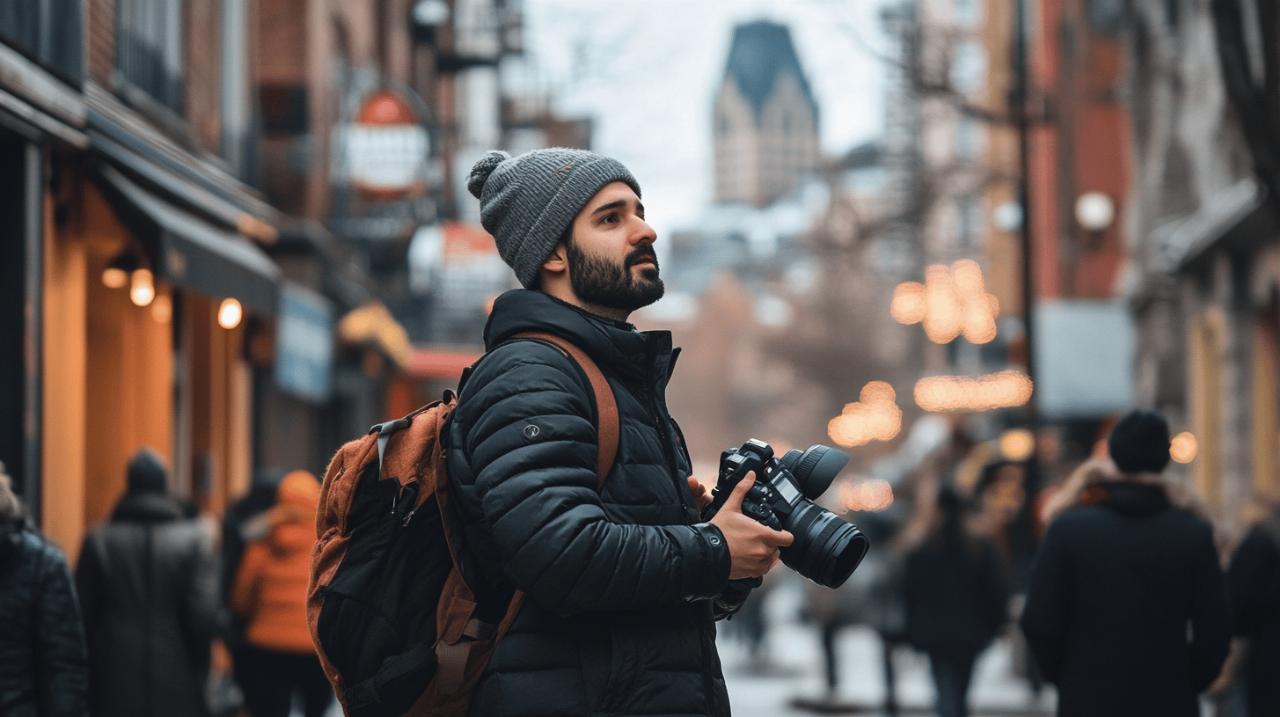 Beyond cameras and lenses, carefully selected accessories dramatically enhance your ability to capture Montreal's beauty across all weather conditions. The city's dramatic seasonal changes demand protective equipment and support tools that adapt to shifting circumstances, from summer humidity to winter's harsh cold that can drain batteries and fog lenses within moments of moving between indoor and outdoor environments.
Protective gear: rain covers, lens hoods, and winter battery solutions
Protective accessories form your first line of defence against Montreal's challenging weather patterns. Rain covers shield your camera from unexpected downpours during spring and autumn, when weather systems move rapidly across the region. Simple plastic sleeves cost little yet provide adequate protection for brief showers, whilst more sophisticated covers with built-in glove ports enable continued operation during sustained rainfall. Lens hoods serve double duty, reducing lens flare in bright conditions whilst offering modest physical protection for your front element against raindrops and snowflakes.
Winter photography in Montreal presents unique battery challenges, as lithium-ion cells lose capacity dramatically in sub-zero temperatures. Carrying spare batteries inside your jacket maintains their warmth and ensures you have fresh power when needed. Some photographers employ external battery packs connected via dummy batteries, keeping the power source warm inside clothing layers whilst the camera remains exposed to cold air. Additionally, allowing gradual temperature equalisation when moving between heated interiors and frozen exteriors prevents condensation forming on sensitive electronics and optical elements. Simple measures like placing your camera inside a sealed plastic bag before entering warm buildings from cold streets give time for temperature adjustment without moisture accumulation.
Tripods and Stabilisers for Low-Light and Long-Exposure Photography
Camera tripods become essential when photographing Montreal after dark or capturing long-exposure images of the city's illuminated landmarks. The Peak Design Carbon Fibre Travel Tripod exemplifies lightweight equipment that balances portability with stability, weighing under three pounds whilst providing secure support for professional camera equipment. Its compact collapsed length fits easily inside photography backpacks without protruding awkwardly, crucial when navigating public transport or crowded pedestrian areas. Carbon fibre construction offers superior vibration damping compared to aluminium alternatives, resulting in sharper images during exposures lasting several seconds.
Budget-conscious photographers can achieve excellent results with aluminium travel tripods from manufacturers like K&F Concept, which deliver solid performance at prices below fifty pounds. Whilst slightly heavier than carbon fibre equivalents, these models provide dependable camera stabilisation for night photography along the Lachine Canal or long exposures capturing light trails from traffic on Boulevard Saint-Laurent. For those incorporating smartphone photography into their workflow, compact options like the JOBY Compact Action sixty-one-inch tripod transform into handheld grips, monopods, or traditional tripods, offering remarkable versatility in a package small enough for daily carry.
Practical tips for maintaining your camera equipment throughout your montreal visit
Proper equipment maintenance ensures your camera gear performs reliably throughout your Montreal stay, regardless of the season or weather conditions encountered. Preventive measures and smart storage practices protect your investment whilst maximising image quality and operational reliability when photographic opportunities arise unexpectedly.
Safeguarding Your Gear from Moisture, Snow, and Temperature Fluctuations
Moisture represents one of the greatest threats to camera equipment, whether from summer humidity, autumn rain, or winter snow melting on warm camera bodies. After shooting in wet conditions, thoroughly dry all external surfaces before packing gear away, paying particular attention to lens mounting surfaces and memory card compartments where moisture might penetrate internal components. Silica gel packets placed inside your camera bag absorb residual humidity, though these require periodic reactivation through gentle heating to restore their effectiveness.
Temperature management proves equally critical, especially during Montreal's winter months when extreme cold alternates with heated indoor environments. Avoid rapid temperature transitions whenever possible, allowing equipment to gradually equalise to new conditions. When bringing cold gear indoors, seal it inside a plastic bag whilst still outside, then allow several hours for warming before opening the bag. This prevents condensation forming on cold surfaces when exposed to warm, humid indoor air. Similarly, when heading outdoors in winter, let your camera cool gradually in an unheated entryway before venturing into sub-zero conditions, reducing thermal shock that might affect mechanical components or cause lens elements to contract unevenly.
Storage and Transport Solutions for Travelling Photographers
Selecting appropriate photography backpacks balances protection, organisation, and comfort during extended shooting sessions around Montreal. The WANDRD PRVKE series, available in twenty-one and thirty-one litre capacities, offers weather-resistant construction with customisable interior dividers that adapt to changing equipment configurations. Roll-top closure provides expandable capacity for additional layers of clothing during winter shoots or souvenirs acquired during your travels. Side access panels enable quick camera retrieval without removing the pack, valuable when unexpected photographic moments arise on crowded metro trains or busy street corners.
Budget alternatives like the Lowepro Tahoe BP 150 deliver padded protection and thoughtful organisation at prices below one hundred pounds, making them suitable for photographers assembling beginner camera kits without substantial financial investment. Regardless of price point, prioritise bags with weather-resistant exteriors and included rain covers, as Montreal's unpredictable weather can transition from sunshine to downpour within minutes. Internal organisation should accommodate not just cameras and lenses but also essential accessories like spare batteries, memory cards, lens cleaning supplies, and personal items like water bottles and snacks for day-long photographic expeditions through the city's diverse districts.
Action cameras like the GoPro Hero 13 Black expand creative possibilities when exploring Montreal's active scenes, from cycling along the Lachine Canal to capturing immersive perspectives at summer festivals. These rugged devices withstand conditions that would challenge traditional cameras, offering unbeatable stabilisation and HDR video recording in compact packages that mount almost anywhere. Similarly, 360-degree cameras such as the Insta360 X4 create fully immersive content, though they require different shooting and editing workflows than conventional photography. For aerial perspectives, DJI drones like the Mini 4 Pro weigh under the registration threshold in many jurisdictions whilst delivering impressive 4K video recording and stable flight characteristics suitable for capturing Montreal's dramatic cityscape from above, though always verify local regulations before operating drones in urban environments.
Comments are closed